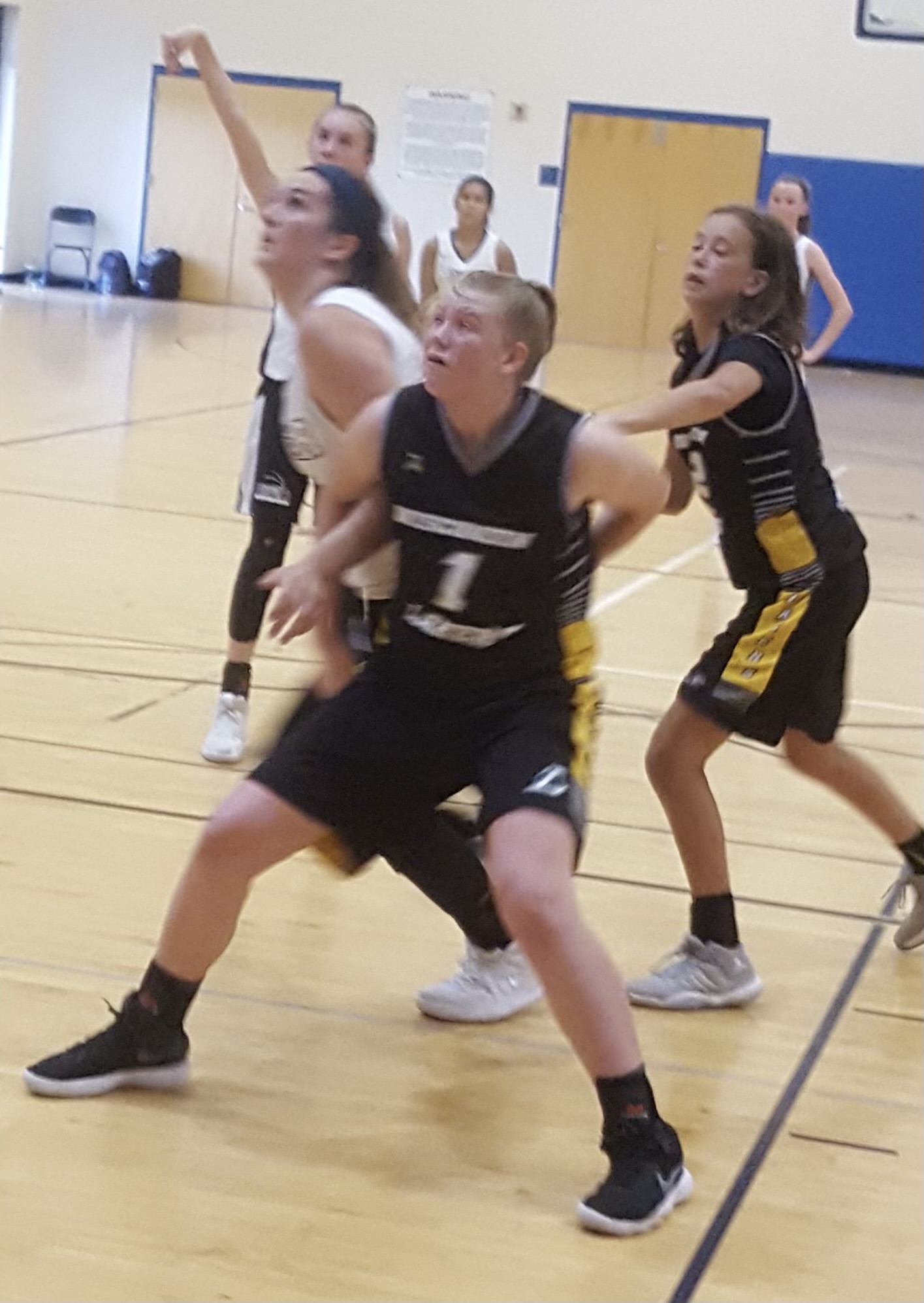
When I was a basketball player, I loved to rebound.
Rebounding doesn’t usually receive the attention that scoring does. A player who scores 20 points will probably get mentioned after the game. A player who boxes out possession after possession and finishes with 12 rebounds may receive far less recognition.
But coaches understand how important rebounding is.
Basketball is ultimately a game of possessions.
Every offensive rebound creates another opportunity to score.
Every defensive rebound ends an opponent’s possession.
And nothing will drive a coach crazy faster than watching a team play great defense, force a difficult shot, and then give the opponent another opportunity because nobody secured the rebound.
Players are going to have good shooting nights and bad shooting nights.
Rebounding is different.
A player can bring effort, positioning, toughness, and technique every single game.
Height and jumping ability certainly help, but great rebounding is about much more than athleticism. Some of the best rebounders understand angles, anticipate where the ball is going, establish position early, and simply want the basketball more than everyone else.
Over the years, I developed a seven-step approach to rebounding that I used as a player and later taught to my children.
Here are my seven fundamentals of rebounding.
1. Recognize the Shot
Rebounding begins before the basketball ever touches the rim.
The first step is recognizing that a shot has been taken.
Most defensive players are taught to see both the basketball and the player they are guarding. Because of this, they should usually be aware when the shot goes up.
Many coaches teach players to yell:
“SHOT!”
That simple word alerts all five defenders that their responsibilities are about to change.
Stop thinking about normal defense.
Start thinking about rebounding.
Players who react quickly have an advantage over players who wait to see whether the shot goes in.
The rebound begins the instant the ball leaves the shooter’s hands.
2. Forget the Ball — Find Your Player
This may be the most difficult rebounding habit to teach young players.
When a shot goes up, almost everyone’s natural instinct is to look at the basketball.
Don’t.
At least not yet.
Once the shot is taken, the defender’s first responsibility should be to locate the player she is guarding.
Young players often become spectators at this moment. They turn their heads toward the rim and watch the ball while the offensive player slips around them for an easy rebound.
Instead, teach your child:
Shot goes up. Find your player first.
You can’t box someone out if you don’t know where she is.
3. Make Contact Before the Offensive Player Does
Once you locate your player, move toward her and establish legal contact.
The offensive player wants the rebound too.
She may be moving toward the basket quickly, so the defender cannot simply wait underneath the rim and hope everything works out.
Close the space.
Feel where the offensive player is.
Use your body and legal contact to establish position.
The key is not grabbing, holding, or pushing the opponent.
The objective is to prevent her from gaining a direct path to the basketball.
One thing I always wanted my children to understand was this:
The offensive player should feel you before she gets a chance to run around you.
Rebounding is a physical part of basketball.
Good rebounders aren’t afraid of contact.
4. Turn and Box Out
Once you have located the player and established contact, turn your body so that you are between the offensive player and the basket.
Now you have created the box out.
Stay low.
Keep a strong base.
Move your feet.
The offensive player is going to try to get around you, so don’t become stationary.
If she moves left, move with her.
If she moves right, stay connected and maintain your position.
One of the biggest mistakes young players make is getting into a good box-out position and then allowing the offensive player to simply step around them.
A box out isn’t something you establish for half a second.
You have to maintain it until you are ready to pursue the basketball.
5. Find the Ball
Now you can look for the basketball.
You have recognized the shot.
You have found your player.
You have made contact.
You have established position.
Now locate the ball in the air.
As players gain experience, they become much better at anticipating where rebounds are likely to go.
Not every missed shot comes straight down underneath the basket.
Long shots often produce long rebounds.
Shots from one side of the floor frequently bounce toward the opposite side.
Some players develop an almost instinctive ability to read the ball coming off the rim.
Dennis Rodman is one of the greatest examples in basketball history. In interviews, he has discussed studying the rotation and trajectory of shots and learning how different players’ misses came off the rim.
Young players don’t need to become rebounding scientists overnight.
But they should begin learning that rebounding involves anticipation, not simply jumping when the ball arrives.
6. Go Get the Basketball With Two Hands
This sounds obvious.
Yet I continually see players do the first five steps correctly and then wait for the basketball to come to them.
Don’t wait.
Go get it.
Once your child has established position and identified where the ball is going, she needs to pursue it aggressively.
Attack the rebound.
Whenever possible, secure the basketball with two hands.
There will certainly be situations where a player can only get one hand on the ball, but two hands provide much greater control.
I have always loved players who rebound with a sense of urgency.
There should be an attitude behind it:
That basketball belongs to me.
Rebounding requires technique.
But it also requires desire.
Sometimes the difference between two players going after the same rebound is simply which one wants it more.
7. Chin the Ball and Pivot Away From Pressure
Getting the rebound isn’t the end of the play.
Now you have to keep it.
Guards are often waiting for a post player or rebounder to bring the ball down where they can tie it up or knock it away.
That is why I teach players to chin the basketball.
Secure it firmly with two hands near the upper chest or underneath the chin. Keep the elbows naturally out enough to protect your space, but never swing them.
Then locate pressure and pivot away from it.
Protect the basketball before you make your next decision.
Depending on the situation, that might mean:
- Making a strong outlet pass.
- Taking one or two controlled dribbles away from pressure.
- Passing to the point guard.
- Or, if you have the skill and opportunity, pushing the basketball yourself and starting the fast break.
A great rebound doesn’t help your team very much if the basketball is stolen two seconds later.
Secure it first. Then make the next play.
Put the Seven Steps Together
The complete rebounding sequence looks like this:
Recognize the shot.
Find your player.
Make contact.
Turn and box out.
Find the ball.
Go get it with two hands.
Chin it and pivot away from pressure.
At first, young players may have to consciously think through each step.
That’s okay.
Repetition turns individual steps into habits.
Eventually, the process happens automatically.
The shot goes up and the player immediately begins doing everything necessary to secure the rebound.
That is the goal.
Rebounding Is About More Than Height
Parents sometimes look at the tallest child on the court and assume she should automatically be the best rebounder.
It doesn’t always work that way.
A tall player who stands underneath the basket and watches the ball can be beaten by a smaller player who establishes position early and attacks the rebound.
That is one of the reasons I love teaching rebounding.
A young player can decide to become good at it.
She can learn technique.
She can improve her anticipation.
She can become stronger.
She can develop toughness.
And she can make rebounding part of her basketball identity.
You may not be able to control how tall your child eventually becomes.
You can teach her how to box out.
You can teach her to pursue the basketball.
You can teach her to compete.
And coaches notice players who consistently do those things.
Watch the Technique
I have included a clip from one of my daughter’s games that demonstrates the technique.
She is No. 25, positioned on the right side of the screen.
Watch what happens when the shot goes up.
You may need to watch the clip several times to see each individual part of the sequence.
Look for her to recognize the shot, locate the player she is guarding, establish position, box out, pursue the basketball, and secure the rebound.
[Insert Rebounding Footage Here]
The play isn’t flashy.
Nobody watching the game probably stood up and cheered because someone executed a technically sound box out.
But that’s basketball.
Many of the plays that coaches value most never make a highlight reel.
Own the Boards
Young players love working on shooting and ball handling.
They should.
Those skills are important.
But I would encourage parents to spend time teaching the less glamorous parts of basketball too.
Rebounding is one of them.
It is a skill that rewards technique, anticipation, toughness, and effort.
It can earn playing time.
It can create extra scoring opportunities.
It can end an opponent’s possession.
And it can allow a player to influence a basketball game even when her shot isn’t falling.
Teach your child to treat every missed shot as an opportunity.
Find someone.
Make contact.
Box out.
Then go get the basketball.
Own the boards.
Thank you for reading Youth Basketball Parent. If you enjoy articles about helping young basketball players develop both on and off the court, please consider subscribing so you are notified when new articles are published.